
"coffee chemical makeup"
146000 article(s) found

The elements of success in running a coffee shop, the plan you need to share.
The competition in the coffee market is becoming increasingly fierce, so in the operation of the coffee shop, we must not wait for customers to come. We need to make some plans to plan the development path of the coffee shop. The following is a summary of the three major elements of coffee shop operation: first, turnover is the most important for coffee shop operators, daily turnover is the operator's greatest concern in the whole process of operation. In order to seek tube

Coffee essence Chemical Coffee Color, Flavor, Flavor and Flavor
Are you a coffee drinker? You know that some coffee may be "fake coffee" without coffee ingredients. To make a cup of mocha-flavored coffee, you only need to add a few drops of coffee essence and emulsifier bought by the food company to make a cup of chemical coffee that can't tell the difference between real and fake. Actually looking for people to drink blindly, some people can't tell the difference between real and fake coffee at all.

Exclusive interview | Li Siying, champion of the 2017 World Coffee Brewing Competition in China
Photo | Li Siying 2017 Shanghai Hotelex Exhibition is still warm, and everyone is still talking about the major events and highlights at the exhibition, including, of course, the Chinese trials for the World Coffee Brewing Competition. Some people say that the dark horse of CBC this time is Pan Zhimin. And CBrC also has a dark horse breaking into everyone's line of sight, calm and confident on the field.

Changes in coffee roasting: what are the chemical changes in the roasting process of coffee beans
Professional coffee knowledge exchange more coffee bean information please follow the coffee workshop (Wechat official account cafe_style) do you know what happens when roasting coffee beans? What are the chemical changes that transform raw coffee beans into coffee ripe beans with charming flavor and rich aroma? The main chemical reaction heating coffee beans will trigger hundreds of different chemical reactions, and roasting will drop.

Coffee essence, chemical coffee, juice or coffee.
Four cups of coffee AB is coffee flavor, CD is canned coffee sold in the market. First smell, look at the four cups are thick brown, can not be distinguished at all. Some people actually drink blindly, or guess wrong, and think that what they drink is real coffee. Doctors are not sure about the contents of Taiwan's coffee flavor, but foreign websites have found that they all contain propylene glycol. This kind of thing is usually used for maintenance.
There are several legends about the origin of coffee in coffee culture.
There are several legends about the origin of coffee, among which the more familiar is the story of the shepherd: around 600 AD, a shepherd found that his sheep would hiss excitedly every night. In fear, he asked the priest in the temple for help. After carefully observing the sheep for a few days, the priest found that the sheep had eaten an unknown fruit, and the priest himself had eaten it.

Some complex chemical changes in the roasting of coffee
The color, aroma and taste of coffee are caused by some complex chemical changes that take place during the baking process. Generally speaking, we use strong alcohol to show the round, mellow and strong taste of coffee. So raw coffee beans must go through a proper chemical process to achieve the most balanced state of its essential ingredients in order to be regarded as the best baked beans. The aroma of coffee will follow the heat.
Why is coffee bitter?
Why is coffee bitter? A seemingly simple problem has been bothering scientists for decades. Now, scientists have narrowed down their research and targeted two chemical molecules. At the annual meeting of the American Chemical Society, scientists reported that the two bitter chemical molecules were produced during the processing of coffee.
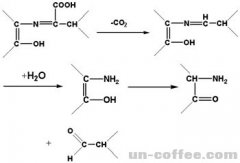
Chemical reaction in coffee roasting Maillard reaction
The roasting of coffee beans is formed by the interaction of different chemical reactions. Generally known as Maillard reaction, caramelization reaction and distillation reaction. Today, let's get a preliminary understanding of what the Merad reaction is. Maillard reaction translated into Chinese is: Merad reaction. Also known as non-enzymatic browning reaction.

In-depth Analysis of Coffee Taste from Chemical Angle
It has been said that adding salt to coffee can neutralize bitterness, which sounds ridiculous, but it has been proved to be effective by science. In 1997, scientists tried to put salt into a bitter chemical solution and compared the bitterness of the solution. It was found that although the concentration of bitter elements in chemical solvents did not change, the chemical solution with salt did not taste so bitter.

The sour, mellow and bitter taste of coffee is caused by complex chemical changes in roasting.
The color, aroma and taste of coffee are caused by some complex chemical changes that take place during the baking process. So raw coffee beans must go through a proper chemical process to achieve the most balanced state of its essential ingredients in order to be regarded as the best baked beans. The aroma of coffee will change with the heat, so the baking time should be shortened as much as possible, and the heat should be controlled within the range of heat.

The chemical structure of coffee and its changes show the characteristics and processing of coffee.
Coffee has long been recognized by the public, and chemistry is also a compulsory course in education in our country. However, we must not know much about the chemical structure of coffee and its changes. Readers may not be very interested in the content that is too theoretical. Now we will use more artistic pictures and language to show you the characteristics and processing of coffee. Coffee can spread all over the world in a hundred years.
Coffee Basics Coffee bitterness comes from processing
In western countries, people drink a cup of coffee every morning. In order to cover up the bitterness of coffee, some milk powder and granulated sugar are often added. Why is coffee bitter? What seems like a simple question has puzzled scientists for decades. Now, scientists have narrowed their search to two chemical molecules. in the American Chemical

[coffee roasting] what are the chemical changes in coffee beans during roasting?
Professional coffee knowledge exchange more coffee bean information please follow the coffee workshop (Wechat official account cafe_style) do you know what happens when roasting coffee beans? What are the chemical changes that transform raw coffee beans into coffee ripe beans with charming flavor and rich aroma? In the previous article, we saw that the structure of coffee beans plays an important role in the roasting process.

How is decaf made?
At present, there are three ways to remove caffeine from coffee beans: 1. Water treatment can remove 9496% of the caffeine. 2. Chemical extraction method, early use chloroform (Chloroform), benzene (Benzene) as solvent to extract caffeine, later understand that these chemicals cause cancer, and gradually be replaced by other low-hazard chemicals, but after all, the chemical substances are not natural enough, this method can extract 96
Chemical changes in the reaction of coffee roasting which reactions are chemical changes in coffee bean roasting
Professional coffee knowledge exchange more coffee bean information please follow the coffee workshop (Wechat official account cafe_style) professional coffee roasting | coffee roasting is too complicated? A picture teaches you that there are two stages of change in the roasting process of raw beans after baking. 1 physical = volume, density, volume 2 chemical = smell, taste, taste intense coffee beans are roasted at high temperature.

Coffee beans roasting process Coffee bitterness comes from processing
In western countries, people drink a cup of coffee every morning. In order to cover up the bitterness of coffee, some milk powder and granulated sugar are often added. Why is coffee bitter? What seems like a simple question has puzzled scientists for decades. Now, scientists have narrowed their search to two chemical molecules. in the American Chemical
Processing methods of low caffeine coffee beans
At present, there are three ways to remove caffeine from coffee beans: 1. Water treatment can remove 9496% of the caffeine. 2. Chemical extraction method, early use chloroform (Chloroform), benzene (Benzene) as solvent to extract caffeine, later understand that these chemicals cause cancer, and gradually be replaced by other low-hazard chemicals, but after all, the chemical substances are not natural enough, this method can extract 9.

Coffee Basics Common Sense Coffee Bitterness comes from the processing process
In western countries, people drink a cup of coffee every morning. In order to cover up the bitterness of coffee, some milk powder and granulated sugar are often added. Why is coffee bitter? What seems like a simple question has puzzled scientists for decades. Now, scientists have narrowed their search to two chemical molecules. in the American Chemical
The main chemical composition of raw coffee beans is carbohydrate.
Main chemical components of raw coffee beans: content (%) carbohydrate 60.0 reducing sugar 1.0 sucrose 7.0 pectin 2.0 starch 10.0 garrison 5.0 hemicellulose 15.0 holocellulose 18.0 lignin 2.0